
Are you an empath? To learn coping skills, get my PDF “Life Strategies for Sensitive People” here.
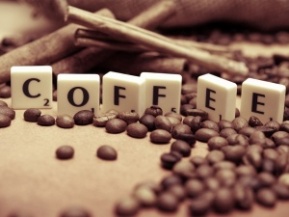
I n America, we consume over 400 million cups of coffee every day. Ever wonder why so many of us make such a lustful beeline for our caffeine? Could it be the oodles of antioxidants it contains? Or that science has revealed its health benefits, including lowered risk of diabetes, Parkinson’s disease, gallstones, and colon cancer? I don’t think that even these unquestionable virtues are what make coffee the highlight of your day. Then what does? The mood and energy-enhancing effects of caffeine.
Caffeine stimulates the central nervous system and acts as an antidepressant by elevating serotonin and dopamine–it’s even been shown in the Archives of Internal Medicine to lower suicide rates. Some experience the mood boost more than others. Unknowingly, many people self-medicate depression with caffeine. How to know if you’re doing this versus just getting a beneficial pick-me-up?
Some tip-offs: You consume more than four caffeinated beverages daily, including teas and diet sodas. Or you keep increasing your caffeine intake to feel less depressed, but it’s losing its effectiveness. I’m all for making the most of coffee’s therapeutic perks to allay low-level depression, but sometimes you may need other approaches when this emotion still persists.
To find out if you’re self-medicating depression, you can stop your caffeine intake. After a month (most withdrawal symptoms, which include headache and fatigue, will be over by then) notice if you’re notably more depressed without caffeine, not always an easy experiment. Should you discover that you are self-medicating, also consider the numerous therapies discussed in this chapter to augment coffee, or to replace it. However, mild depressions can respond well to simply drinking up to three cups daily. (Try spacing them out; caffeine remains in the system four to six hours). More than this increases side effects and raises the chances of tolerance and addiction: You consume greater quantities but don’t get the lift.
Always consider caffeine’s pluses and minuses. Reduce your intake if you have insomnia, heartburn, palpitations, headaches, or nervousness. Moreover, if you’re being treated for heart disease, hypertension, gastrointestinal problems, or other chronic illnesses, consult your physician before you ingest caffeine in any form.
Adapted from Dr. Judith Orloff’s New York Times Bestseller, “Emotional Freedom: Liberate Yourself From Negative Emotions and Transform Your Life” (Three Rivers Press, 2011)
“caffeine remains in the system four to six hours”
False. This is the approximate halflife of caffeine. So after about 5 hours, half will remain.
Dr. Orloff, I’m not a coffee drinker because it doesn’t agree with me. I can’t drink 1 cup of coffee a day for 3 days in a row for example. When I did this my family and I thought I was having a heart attach – no kidding here. However, I love coffee so, my other option is to stop in at World Market stores where I can get a free 2 ounce paper cup of coffee on occasion and enjoy it with no problems. Well, almost no problems…Would you believe that when I drink that little cup of coffee, I am overwhelmed with the feeling that I have to call someone and tell them I love them!!!? Sounds bazaar. I usually call my mother because she’s the only person who won’t think I’m crazy. If I tell my husband I love him every time I come out of World Market he’ll think I just love spending money – 😄 So…am I alone in this situation?