

Sensitive, loving people waste lots of empathy trying to understand narcissists or give them the benefit of the doubt. They stay in the relationship for too long, hoping that the person will change. Empathizing with someone who isn’t interested in changing is counterproductive. In these relationships, you need to save yourself first.
If you’re ready to say goodbye, realize that people with narcissistic personality disorder (NPD) may amp up their considerable powers of seduction and persuasion to change your mind. However, when the onslaught begins, don’t waver. Stay strong and consistent. Remain vigilant for the mind games that they use to control you.
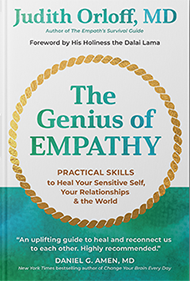
Here are four narcissistic manipulations to watch for from my book, The Genius of Empathy.
Hovering
Looking utterly sincere, a partner might keep trying to lure you back with empty promises such as, “I can’t live without you,” “I’ll go into therapy,” or “I’ll spend more time with you and the kids. I’ll change.”
If you don’t respond, they may increase the intensity of hovering by showing up at your home unannounced, sending flowers or gifts, or calling you and either hanging up or leaving multiple messages.
False Flattery
People with narcissism believe that others are as receptive to flattery as they are. So, they build you up to get you to do their wishes. They will use sweet talk to take advantage. If you are self-conscious about being shy and introverted, they might say, “I love quiet and thoughtful people. These are such rare traits.” Or, if you feel unappreciated at work, they might say, “You are so respected in your field. I really admire you.” Of course, being appreciated feels great, but this strategic flattery lays it on too thick. They only use it to manipulate and draw you back in.
Negging
Negging is a term that has arisen in popular culture and social media. It occurs when someone gives you a backhanded compliment or sends a mixed message such as, “You look so much more attractive now. Are you working out?” You think, Huh? What did they mean by that? Negging is used to undermine your confidence and make you question your resolve. If you are constantly trying to decode someone’s comments or behavior, it could be a sign of negging.
Turning Loved Ones or Others Against You
People with narcissism play dirty. When you resist their manipulations, they might threaten to undermine your relationships or status in the community. Making your life miserable restores their sense of power over you. Since they have an empathy-deficient disorder and lack a conscience, they aren’t disturbed by hurting you. In fact, they feel justified in doing so.
Stop trying to fix a narcissist or expect them to have empathy or understand your needs. Instead, when asserting your needs, remain centered rather than simply reacting to their antics. While breaking free from this type of relationship, savor your baby steps of progress. If you can move back from the chaos and heartache of dealing with a narcissist, the experience becomes a worthy lesson in how to empathize with yourself, ward off the darkness in human nature, and know your own worth and inner power
Adapted from Dr. Judith Orloff’s The Genius of Empathy with a Foreword by His Holiness, the Dalai Lama