

Having empathy for someone’s difficult past doesn’t mean you accept their current abusive behaviors.
In a wound mate relationship, you are locked into a defeating pattern where you bond with each other through your mutual wounds, trauma, and pain. This can feel intense and intimate, whether it’s a romance or any potentially close relationship. But actually, you may be confusing intensity with intimacy and control with caring.
You marvel at finding someone who is just like you and mistake them for a soulmate or soul friend. That’s why people who misuse substances are often attracted to each other and to other “wounded birds.” Or, yet again, you get involved with a narcissist who can manipulate your self-doubts and vulnerability, which draws you in.
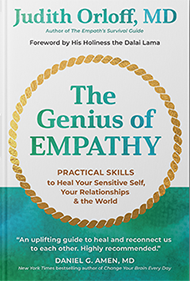
In my book, The Genius of Empathy, I write about a patient who described her painful choices in romantic partners. She said, “I feel I have more in common with people who’ve had a difficult childhood since I had one too. We ‘get’ each other.” With such seeming rapport, she was baffled about why the relationships failed. She didn’t understand that the same emotional wounds could prevent a partner from showing healthy intimacy. Nor did she grasp that the sizzling chemistry that can come from having a common history can’t always be equated with love. It often turns volatile and abusive with wound mates. So, in therapy, my patient started to accept that she was choosing wound mate relationships, which were unhealthy and painful. As she explored her own emotional patterns, such as needing to overgive to win someone’s love, she became attracted to potential partners who were more capable of intimacy.
If you identify with being a wound mate, you can begin to heal this pattern in psychotherapy, as my patient did. As a result of her emotional growth, she was able to become a caring partner who is more capable of intimacy. Participating in a twelve-step recovery group for codependency, such as CODA, can help you choose healthier people too. However, if you haven’t done this healing work, you could easily be drawn into these destructive relationships again, so be cautious.
The first step to healing this pattern is to be aware of it. Gently explore any beliefs that keep you repeating harmful relationships. Record them in a journal. Common ones are: “I only connect intimacy with pain,” or “A loving family yells at you because they care.” Tenderly replace these beliefs with more healing ones, such as: “Love means mutual respect,” or “Healthy intimacy feels comfortable and nurturing.” Have empathy for the beliefs that drew you to wound mates in the past so you can stay open to more emotionally available partners now.